
Disclosure: this article contains an affiliate link. If you buy through it, we may earn a commission.
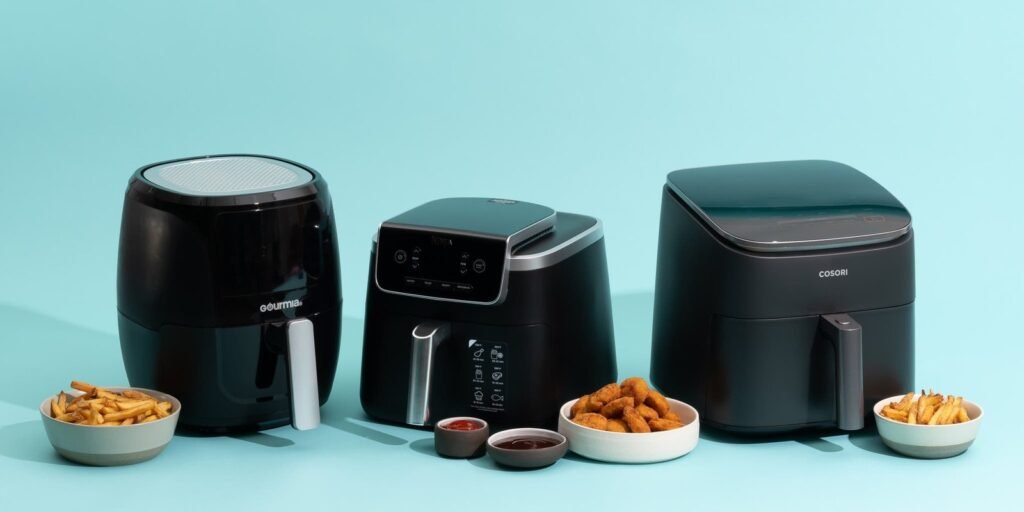
The best air fryer for most families costs between $100 and $150, a range that balances high heat, durable ceramic coatings, and quiet operation without paying for unused smart features. Models like the Cosori TurboBlaze Air Fryer sit in this bracket because they offer 450°F maximum temperatures and PFAS-free baskets that cheaper units lack.

How to Choose the Right Air Fryer for Your Needs
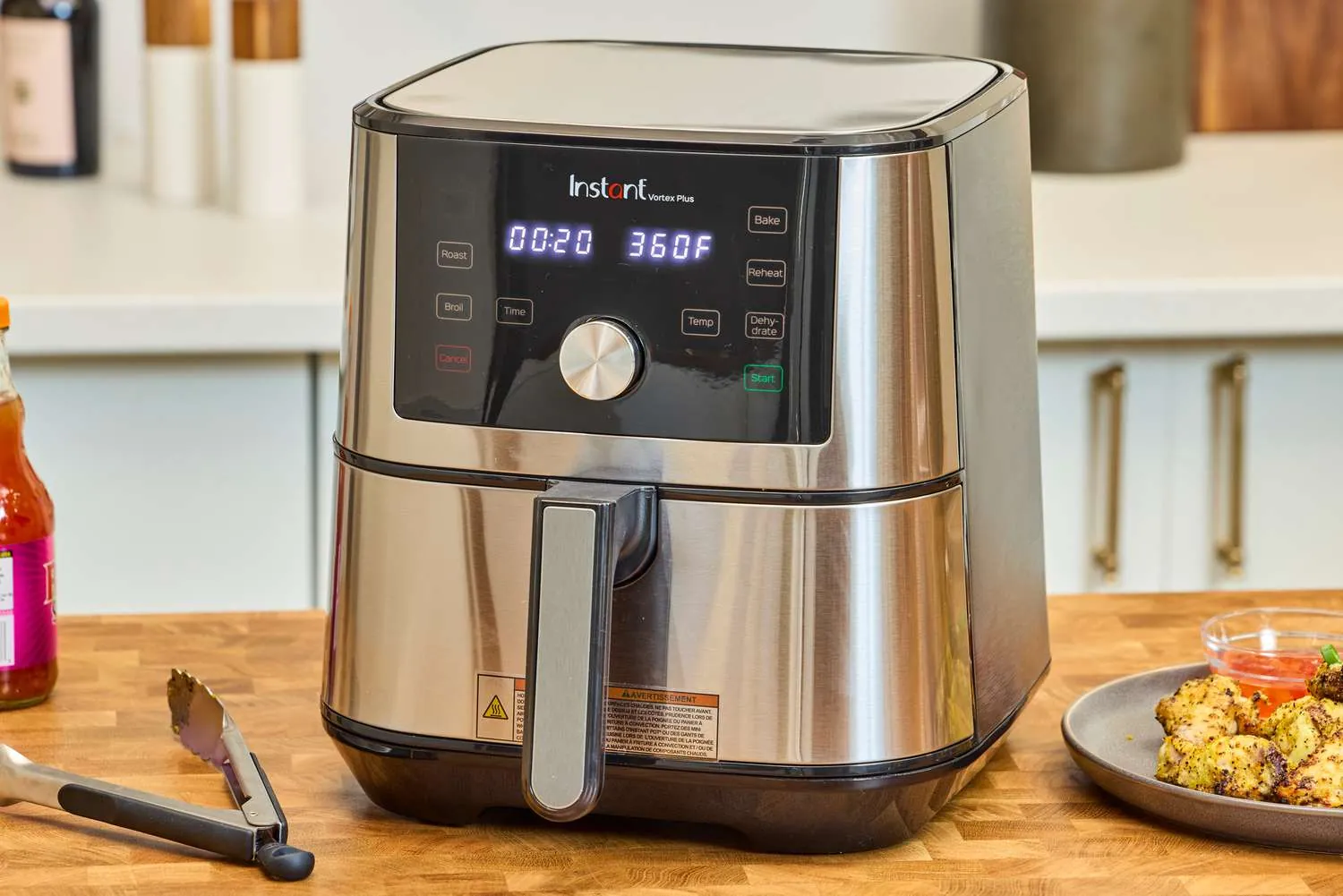
- Set your budget ceiling first. Decide if you need basic reheating or true high-heat roasting before looking at models, as units under $80 typically cap at 400°F and struggle with crispy textures.
- Verify the coating safety. Check the product specifications for “PFAS-free” or “ceramic” explicitly, since many popular brands still use traditional chemical nonstick layers that degrade over time. A ceramic-coated basket and crisper tray ensure your food doesn’t contact synthetic polymers during high-heat cooking.
- Match capacity to household size. Select a 6-quart square basket for families of three to five people, as this shape fits whole chickens and sheet-pan style portions better than round designs. Square baskets also utilize counter space more efficiently than circular ones of the same volume.
- Check noise level ratings. Look for an operating volume under 53 dB if your kitchen is open-plan or you cook while others sleep, because standard air fryers often exceed 60 dB on high settings. A quieter motor system makes daily use sustainable without disrupting the household environment.
- Confirm cleaning compatibility. Ensure both the basket and crisper plate are dishwasher-safe before buying, as hand-washing deep nonstick vessels is tedious and leads to neglected maintenance. Removable ceramic parts that survive machine washing save significant cleanup time after greasy meals.
- Evaluate fan speed options. Prioritize models with multiple fan settings rather than just high and low, because delicate items like pastries require gentle airflow to avoid burning edges. Five distinct speed levels allow you to adjust turbulence precisely for different food textures.
- Review temperature precision. Choose a unit with adjustable increments rather than fixed presets, so you can dial in exact heat for recipes that specify unusual temperatures. Precise control from 90°F to 450°F covers everything from dehydrating fruit to finishing steaks.
- Assess oil reduction claims critically. Understand that “95% less oil” refers to fat content compared to deep frying, verified by lab testing, not a guarantee of zero-oil cooking. You’ll still need light sprays for vegetables and proteins to achieve browning without drying out.
What Features Actually Matter for Daily Cooking?
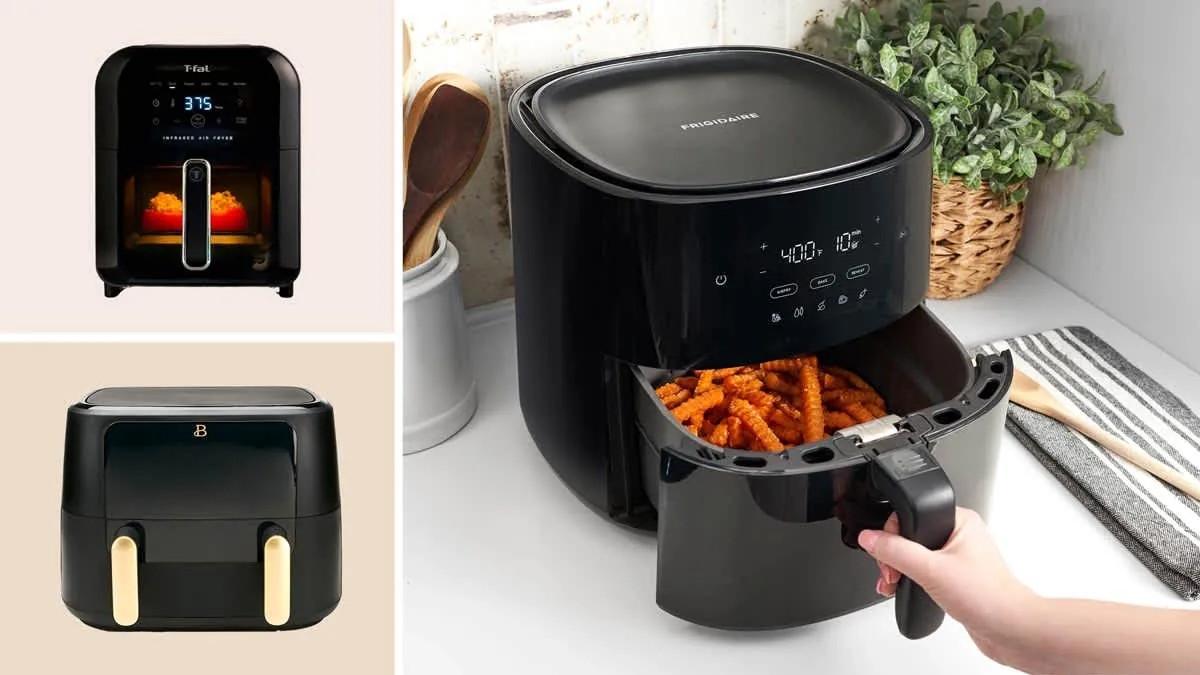
High maximum temperature and fan speed directly determine whether your air fryer can replace an oven for main dishes or just reheat leftovers.
Coating material affects both health safety and long-term durability in ways that warranty terms don’t capture. Ceramic coatings resist scratching better than traditional PTFE layers and eliminate concerns about polymer fumes at high temperatures, though they may require slightly more oil to prevent sticking initially.
Noise level determines whether you’ll actually use the appliance during early mornings or late evenings when others are resting. For households where the kitchen serves as a gathering space, acoustic performance is as important as thermal performance.
| Feature | Budget Models ($50-$80) | Mid-Range Best Value ($100-$150) | Premium Models ($200+) |
|---|---|---|---|
| Coating Type | Traditional Nonstick | PFAS-Free Ceramic | Ceramic or Stainless |
| Basket Shape | Round / Small Square | 6-Qt Square | Large Square / Oven |
Is It Worth Paying More Than $150?
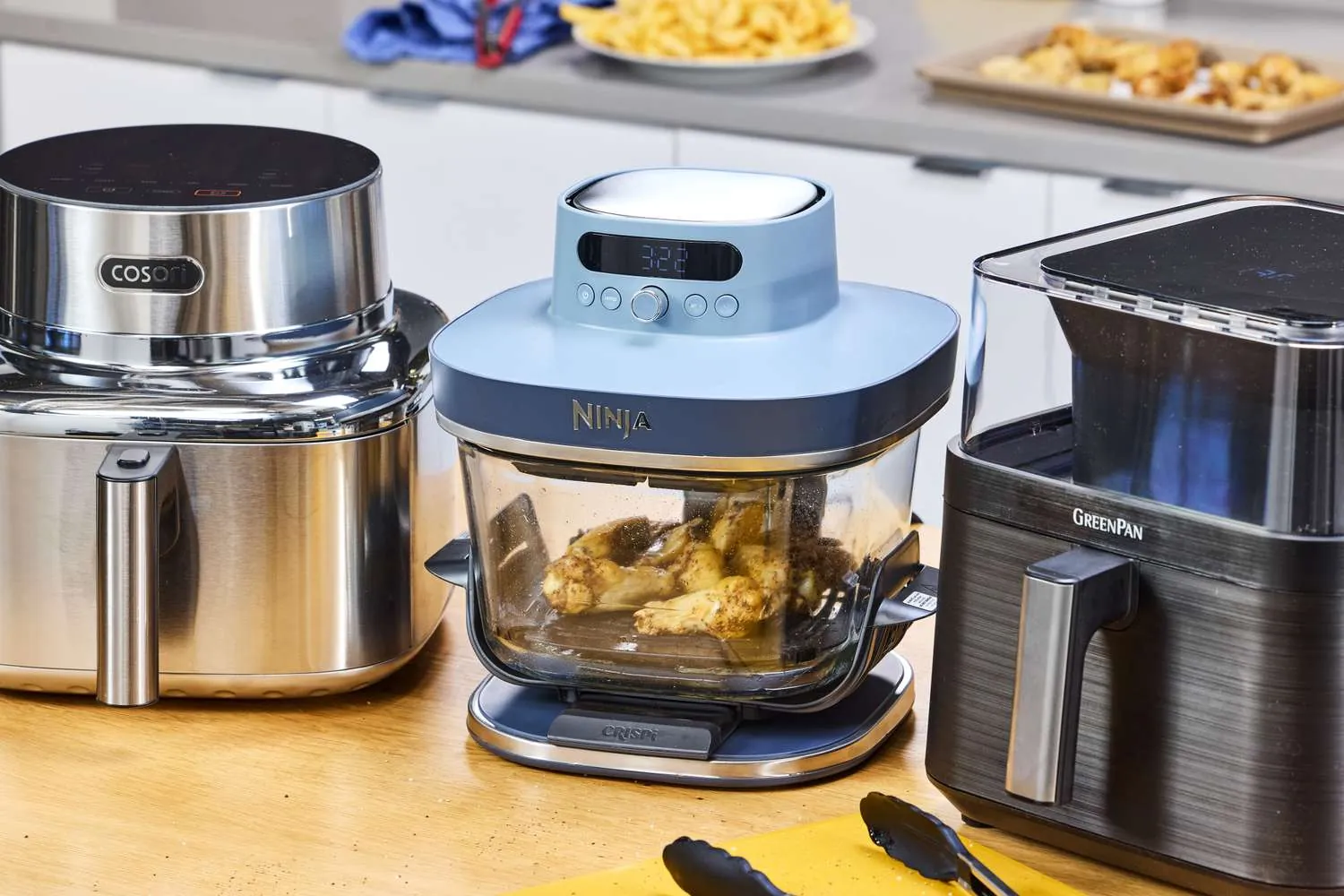
Spending above $150 rarely improves core cooking performance unless you specifically need oven-sized capacity or integrated smart home features. Extra cost typically buys aesthetic upgrades, larger touchscreens, or bundled accessories that don’t affect crispiness or cooking speed.
However, if you regularly feed six or more people or need to cook large-format items like whole turkeys, the premium tier’s increased capacity becomes functionally necessary.
Tip: Compare wattage alongside price; higher wattage within the same quart size usually means faster preheating and recovery after adding cold food.
Related guides
- Best Air Fryer Reviews for Home Kitchen: Top Picks for Healthy Cooking
- Best Kitchen 10 Appliance Reviews: Gourmia Dual Basket Air Fryer Insights
Frequently Asked Questions
Can I cook frozen foods without adding oil?
Yes, most frozen processed foods contain enough surface oil to crisp without additional spray. However, plain frozen vegetables or uncoated proteins will dry out without at least a light misting of oil. Always shake the basket halfway through cooking to expose all surfaces to circulating hot air evenly.
Does the ceramic coating wear off quickly?
Ceramic coatings generally maintain nonstick properties for one to two years with regular dishwasher use, depending on detergent abrasiveness. Avoid metal utensils and abrasive scrubbers to extend lifespan significantly. Unlike traditional nonstick, ceramic doesn’t release harmful fumes as it degrades, making gradual wear less concerning for health.
Will this fit under standard kitchen cabinets?
Most 6-quart square air fryers measure approximately 14 inches tall including feet, fitting under standard 18-inch cabinet clearance. Always measure your specific cabinet height before purchasing, as handle designs and ventilation requirements vary. Leave at least four inches of rear clearance for exhaust airflow regardless of vertical fit.
How loud is 53 decibels in real terms?
Fifty-three decibels is comparable to moderate rainfall or a quiet conversation at home, allowing normal speech nearby without raising voices. This is noticeably quieter than typical microwave hums or blender operations. If you’re sensitive to white noise, test the unit during your return window to confirm personal comfort levels.
Do I need to preheat before cooking?
Preheating takes three to five minutes and improves searing on raw proteins but isn’t necessary for frozen foods or reheating tasks. Skipping preheat adds roughly five minutes to total cook time but saves energy on shorter sessions. Follow recipe guidance when specified, otherwise judge based on whether initial surface browning matters for your dish.
Conclusion
If you prioritize safe materials, quiet operation, and genuine high-heat capability within a reasonable budget, the Cosori TurboBlaze Air Fryer meets those criteria without unnecessary extras. Confirm your available counter depth and cabinet clearance match its dimensions before ordering to ensure it integrates smoothly into your current kitchen layout.